



Introduction to Seven Ethics
Rabbi Kaplan
These seven principles are not a burden — they are the floor upon which a moral life is built for every human being.
100% off Introduction to Seven Ethics — free for a limited time (ends Sun, Oct 18)
Free today →Seven Ethics
Seven universal laws for all humanity—taught by rabbis who live this covenant every day. No conversion required.
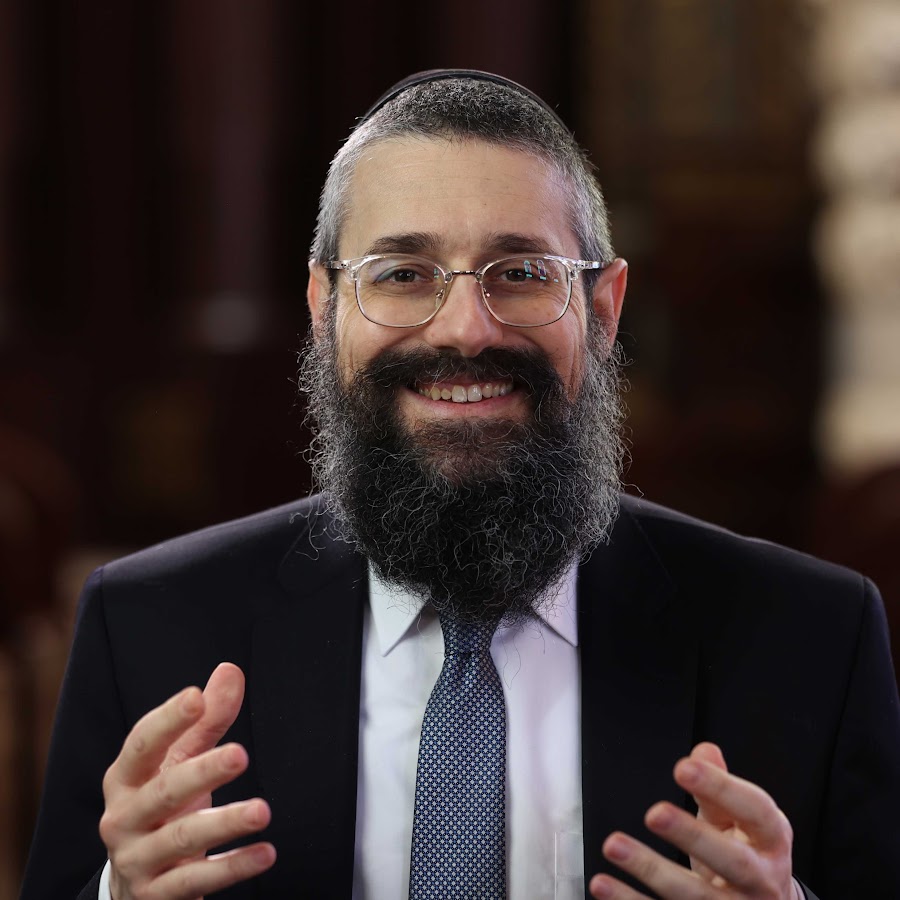

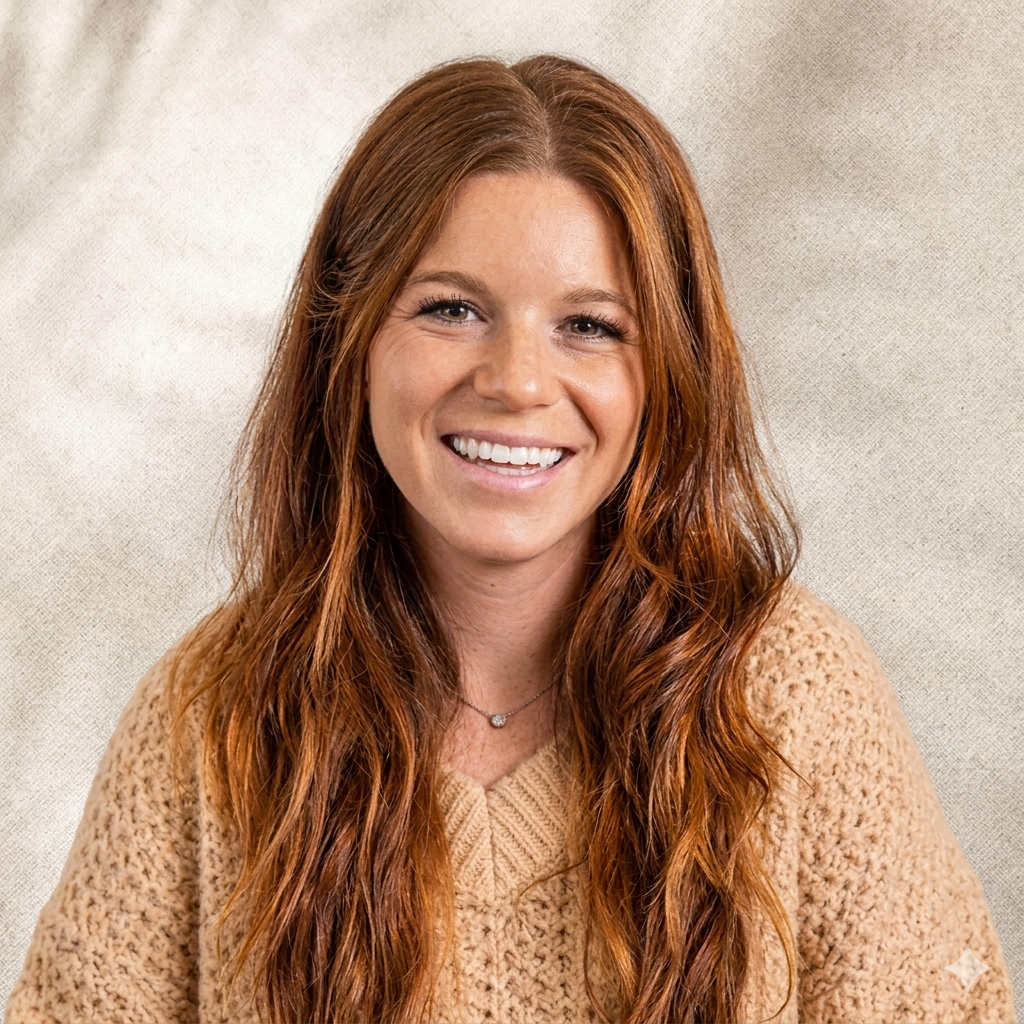
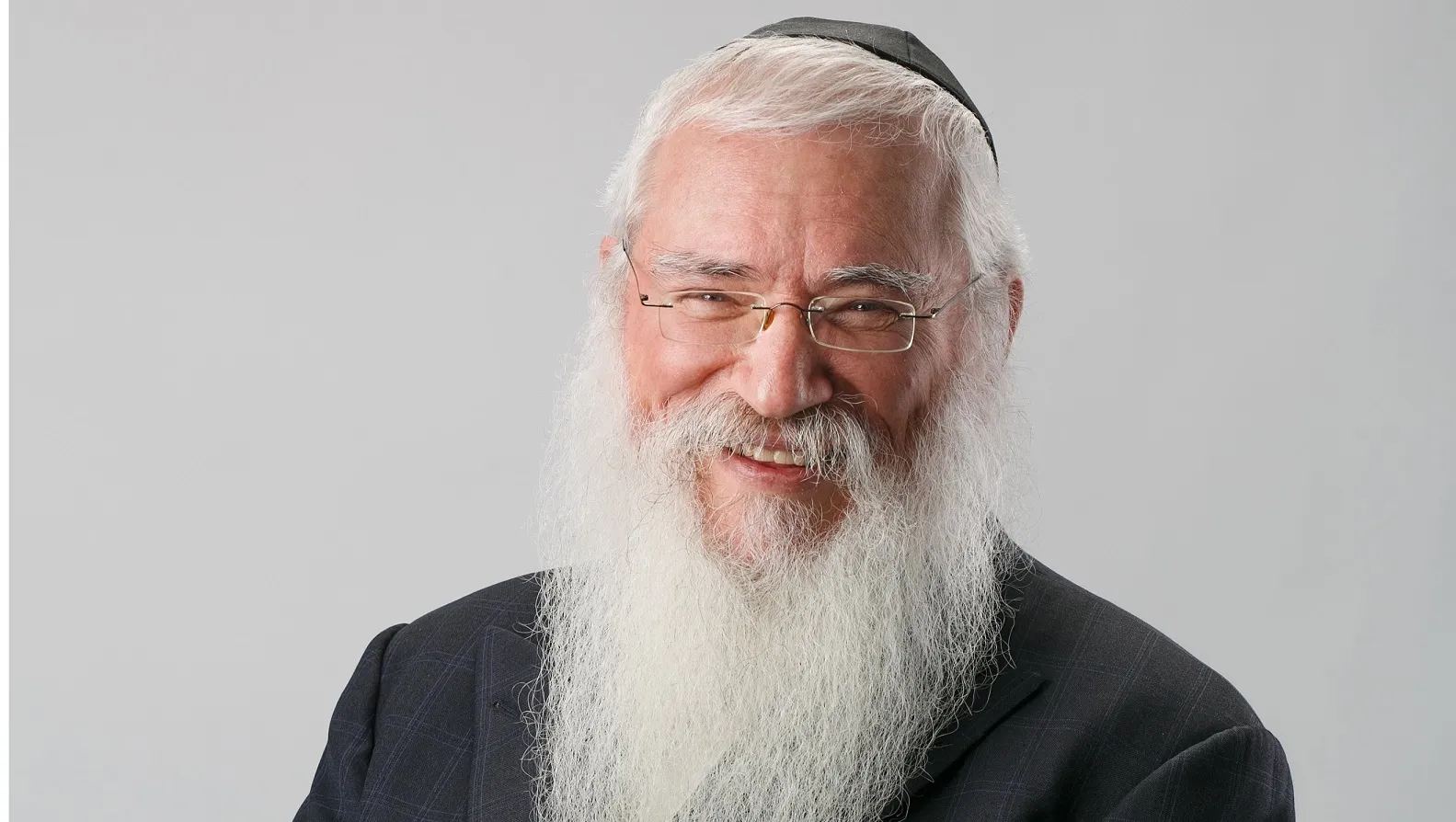



Our most essential teachings on Seven Ethics — watch and begin your journey.
Live and recorded classes on Seven Ethics — taught by rabbis and scholars who live this covenant every day.
Rabbi Kaplan
These seven principles are not a burden — they are the floor upon which a moral life is built for every human being.

Rabbi Taub
Judaism is not Christianity without the cross — it is an entirely different covenant, with truths the whole world needs to hear.

Rabbi Shmo
You do not need to convert. Observe the seven commandments with sincerity, and you walk among the righteous of the nations.

Rabbi Friedman
The hardest questions deserve the most honest answers — spoken with clarity, compassion, and fidelity to the tradition.

Rabbi YY
Whether you are new to Torah or deepening years of study, the Seven Ethics meet you where you are.
Rebbetzin
The covenant belongs to every soul. Study it, teach it, and bring it into your home and community.

Rabbi Spiegel
The Jewish tradition carries an ancient discipline of the mind — profound, meaningful, and essentially true, preserved for anyone willing to take it seriously.
Rabbi Kaplan
These seven principles are not a burden — they are the floor upon which a moral life is built for every human being.
Rabbi Taub
Judaism is not Christianity without the cross — it is an entirely different covenant, with truths the whole world needs to hear.
Rabbi Shmo
You do not need to convert. Observe the seven commandments with sincerity, and you walk among the righteous of the nations.
Rabbi Friedman
The hardest questions deserve the most honest answers — spoken with clarity, compassion, and fidelity to the tradition.
Rabbi YY
Whether you are new to Torah or deepening years of study, the Seven Ethics meet you where you are.
Rebbetzin
The covenant belongs to every soul. Study it, teach it, and bring it into your home and community.
Rabbi Spiegel
The Jewish tradition carries an ancient discipline of the mind — profound, meaningful, and essentially true, preserved for anyone willing to take it seriously.
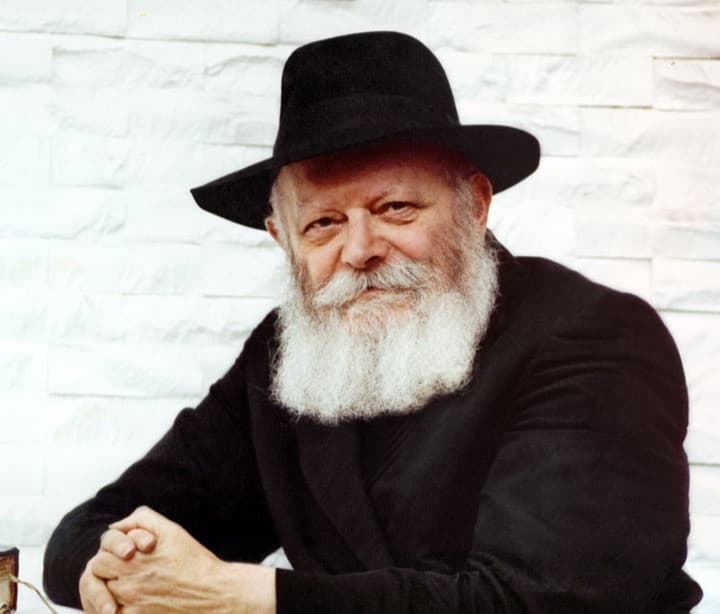
Seven Ethics is rooted in the vision of Rabbi Menachem Mendel Schneerson — the Lubavitcher Rebbe — who taught that every person on earth has a divine mission and that the Seven Ethics are the path for all humanity to live with purpose, morality, and connection to God.
Our courses, classes, and community reflect his emphasis on outreach, practical mitzvot for all nations, and the belief that a single good deed can transform the world. What you learn here is not abstract philosophy — it is the Rebbe's living call to light up the world, one ethical act at a time.
“Every person, regardless of background, can and must contribute to making the world a dwelling place for God.”— The Lubavitcher Rebbe